
Vitamin E is an important antioxidant that helps protect the body’s cells from damage caused by free radicals. It also supports the immune system and plays a role in the health of your skin, eyes, muscles, and brain.
When the body does not get enough Vitamin E, certain changes may start to appear over time. In some cases, these signs can be easy to overlook at first.
Why Does Vitamin E Deficiency Happen?
Vitamin E deficiency is not very common in healthy individuals, but when it occurs, it can affect several parts of the body.
Since Vitamin E helps protect cells and supports normal body functions, low levels may lead to a variety of symptoms that develop gradually.
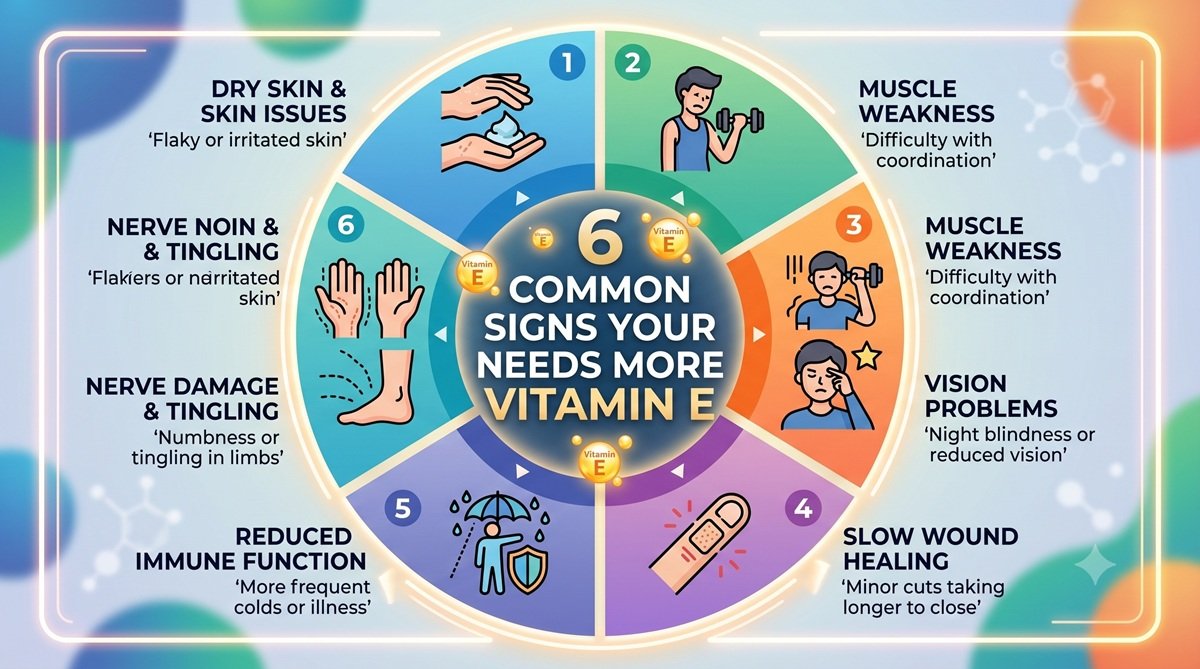
1. Muscle Weakness and Tiredness
One possible sign of Vitamin E deficiency is muscle weakness.
Without enough Vitamin E, muscles may not function as efficiently as they should. Some people may notice tiredness, reduced strength, or muscle discomfort. Over time, this may affect normal muscle performance.
2. Tingling in the Hands and Feet
Vitamin E helps support the nervous system.
When levels are too low, some people may experience tingling sensations in their hands or feet. Problems with balance or difficulty walking may also occur in more severe cases.
3. A Weakened Immune System
Vitamin E is involved in supporting the body’s natural defense system.
A deficiency may make it harder for the immune system to function normally, which could increase the likelihood of frequent infections or illnesses.
4. Changes in Vision
Low Vitamin E levels may also affect eye health.
According to the information available, deficiency may be linked to blurry vision and certain retina-related problems, particularly as people get older. Over time, these changes may impact overall visual function.
5. Dry Skin and Hair Problems
Your skin and hair can also reflect nutritional deficiencies.
A lack of Vitamin E may contribute to dry, dull-looking skin. Some people may also notice irritation, itching, or roughness. Dry hair and increased hair shedding may be associated with this deficiency as well.
6. Increased Risk of Anemia
Vitamin E helps protect red blood cells from oxidative damage.
When Vitamin E levels are low, red blood cells may break down more quickly. This may increase the risk of anemia, especially in children and pregnant women.
What Foods Can Help Increase Vitamin E Intake?
If your diet is low in Vitamin E, adding Vitamin E-rich foods may help improve your overall nutrient intake.
Some commonly recommended sources include:
- Spinach and other leafy green vegetables
- Almonds
- Sunflower seeds
- Avocados
- Peanuts
- Pistachios
- Fatty fish such as salmon and mackerel
- Flaxseeds
- Chia seeds
For some individuals, healthcare professionals may recommend Vitamin E supplements when dietary intake is not sufficient.
Final Thoughts
Vitamin E plays an important role in many functions throughout the body. Symptoms linked to deficiency can affect the muscles, nerves, immune system, eyes, skin, and blood cells.
Eating a balanced diet that includes Vitamin E-rich foods may help support overall health and nutritional needs.
Medical Disclaimer
This article is for informational and educational purposes only. It is not intended to diagnose, treat, cure, or prevent any disease. Always consult a qualified healthcare professional before making changes to your diet or taking supplements.